Basenji Dog Silhouette SVG – A Hands-On Embroidery Review
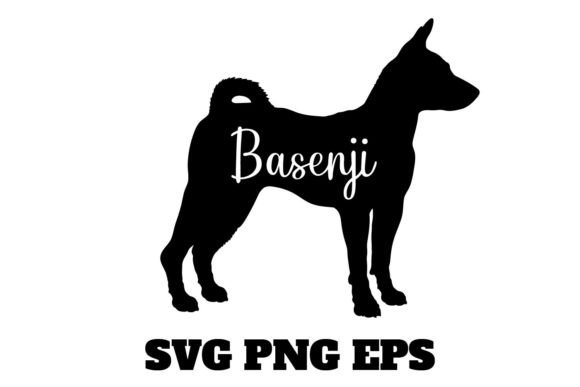
When I first opened the Basenji Dog Silhouette SVG, I was struck by how clean and deliberate the shape felt. This isn’t a fussy, over-detailed dog breed design. It’s a silhouette that captures the distinct profile of a Basenji—those alert ears, the smooth curve of the back, the tucked tail—without trying to cram in fur texture or facial features. As someone who has stitched hundreds of dog breed designs for custom apparel and handmade products, I can tell you right away that this kind of restraint is exactly what works best in embroidery. A silhouette that reads clearly at a glance is worth more than a complex illustration that turns into a muddy mess after a few thousand stitches.
The design sits squarely in the Print Templates category as a Graphics asset, but don’t let that label limit your thinking. I’ve used vector silhouettes like this one to create some of my best-selling machine embroidery projects, and I can already see several strong paths for this Basenji file.
First Impressions and the Natural Fit for Embroidery
The Basenji Dog Silhouette SVG gives off a calm, confident, almost regal mood. Basenjis are known for their elegance and independence, and this profile captures that without trying too hard. The outline is smooth, the proportions feel right, and there are no jagged edges or awkward gaps that would complicate your digitizing process. For anyone who has ever wrestled with a poorly drawn dog breed vector that looks fine on screen but turns into a stitch nightmare, this is a relief.
I immediately thought of a custom embroidered tote bag as a real test piece. A Basenji owner walking into a farmer’s market with a sturdy canvas tote featuring this silhouette in a single rich thread color—say a deep burgundy or forest green—would turn heads. The design doesn’t scream; it identifies. That’s the kind of quiet confidence that sells itself in a small shop or at a craft fair.
It also works beautifully as a dog breed logo monogram for business branding. If you are an Etsy seller or a creative entrepreneur making personalized gifts for dog owners, this silhouette can become a signature element across your product line. It’s versatile enough to sit on a sweatshirt, a cap, a pillow cover, or even a baby onesie without feeling out of place.
Real-Life Performance Across Common Embroidery Projects
Let’s talk about how the Basenji Dog Silhouette SVG actually behaves once you turn it into an embroidery file. Because that is where the real value lives.
On a custom sweatshirt or t-shirt, the silhouette format keeps stitch density low and manageable. You can run it as a satin stitch outline with a light fill stitch inside, or even as a clean standalone satin stitch border that leaves the center unstitched for a modern minimalist look. The shape is continuous enough that a satin stitch will glide smoothly around the ears and back without pulling or distorting.
If you are making an embroidered patch, this design is a dream. The clean perimeter makes it easy to trim and seal. You can add a merrowed edge or a simple satin stitch border and the silhouette will hold its shape beautifully. I would recommend testing it first on a scrap piece of felt or twill to confirm your stitch angles, but I expect the result to be crisp and professional.
For baby embroidery—maybe a small Basenji silhouette on a baby blanket or onesie for a dog-loving family—the design scales down well. Because there are no tiny facial features or delicate inner lines, you can reduce the size to fit a 4x4 hoop without losing readability. That is a huge advantage over detailed breed portraits that become unrecognizable when shrunk.
I also see this working as a holiday gift item. Imagine a set of kitchen towels with a Basenji silhouette in one corner, stitched in a festive thread color. Or a pillow cover with the silhouette centered on the front, paired with a simple text like “Basenji” underneath in a clean font. The design gives you room to layer in personalization without crowding.
Where to Use This Design Carefully
No design is perfect for every surface, and I always tell fellow crafters and small business owners to think through the application before committing to a full production run.
The Basenji Dog Silhouette SVG works best on stable, medium-weight fabrics. Canvas, denim, twill, quilted cotton, and fleece are all excellent choices. On very lightweight or stretchy fabrics like thin jersey or silky polyesters, the silhouette may cause puckering if you use a dense fill stitch. If you must stitch it on a stretchy t-shirt, use a tear-away stabilizer and a lightweight running stitch or a light fill to keep the fabric from distorting.
On dark fabrics, the silhouette will pop beautifully if you choose a contrasting thread color. Because it is a solid shape, it reads clearly even from a distance. But on very dark or black fabric, consider using a lighter thread tone or even a metallic for a subtle shimmer. Test a black-on-black version if you want an understated tonal look, but be aware that tiny gaps in stitch coverage will show more on dark backgrounds.
Curved surfaces like caps or beanies require extra care. The silhouette’s shape is elongated horizontally, so it should fit well on the front of a cap without wrapping too far around the curve. Still, I would recommend hooping with a firm stabilizer and doing a test stitch on a practice cap before stitching on a finished product.
For products that need frequent washing—like tea towels, aprons, or baby items—use a high-quality polyester or rayon thread and a dense enough stitch to prevent the design from fraying or pulling loose over time. A fill stitch with moderate density will hold up much better than a loose satin stitch in these cases.
Visual Appeal, Product Value, and Customer Trust
When a customer buys a handmade product with this Basenji Dog Silhouette SVG, they are paying for recognition and emotional connection. Basenji owners are a passionate community. They know the breed’s unique look, and a well-executed silhouette signals that you care about getting it right. That builds trust and repeat business.
The design also elevates the handmade presentation. A silhouette has a graphic, almost editorial quality that feels intentional and modern. It doesn’t look like a generic clipart paste. It looks like a design choice. That matters for brand consistency, especially if you are selling on Etsy or at craft fairs alongside other sellers offering similar personalized items.
Giftability is another factor. A Basenji-themed product is an immediate win for someone looking for a gift for a Basenji owner. The silhouette style keeps it tasteful enough for a range of recipients—whether it’s a holiday gift, a wedding gift for a couple with a Basenji, or a thank-you present for a dog sitter. The neutral, elegant mood of the design means it won’t clash with home decor or personal style.
Practical Embroidery Designer Notes Before You Stitch
Here is the advice I give to every Etsy seller, small shop owner, and crafter who picks up a vector silhouette like this one.
- Test on scrap fabric first. No matter how clean the vector looks on screen, every fabric behaves differently. Stitch a sample on the exact fabric you plan to use for your finished product. Check for puckering, thread breaks, and density issues.
- Check thread color contrast. Print a black and white mockup of the design on paper and hold it against your fabric. If the silhouette blends into the fabric in grayscale, it will likely blend in thread too. Adjust your thread color choices accordingly.
- Review stitch density. If you are digitizing the design yourself, keep the fill stitch density moderate—not too tight, not too loose. A silhouette works best when it feels solid but not stiff. If you are using a conversion service, ask them to prioritize smooth satin edges and even fill coverage.
- Confirm hoop size. The design can be resized easily since it is a vector, but always check that your final size fits within your hoop dimensions. For small hoops like 4x4, keep the silhouette under three inches in its longest dimension to avoid distortion near the hoop edges.
- Inspect small details. Even though this is a silhouette, zoom in on the ear tips and tail curve. Make sure those points are sharp enough to stitch cleanly. If they are too narrow, consider slightly thickening those areas in your digitizing software to prevent thread breakage.
- Use proper stabilizer. For most woven fabrics, a medium-weight cut-away stabilizer will keep the silhouette flat and prevent stretching. For knits and stretchy fabrics, use a tear-away with a fusible backing or a no-show mesh stabilizer.
- Check licensing before selling finished items or digital products. Since the product is listed as a Graphics file under Print Templates, confirm whether the license allows commercial use of embroidered products. Most vector files for print templates allow personal and small-scale commercial use, but always read the specific terms. If you plan to sell the design as a digital embroidery file, you may need additional rights.
How This Design Fits Into a Real Small Business Workflow
Let me walk you through a realistic scenario. You are an Etsy seller preparing a limited run of personalized dog breed tote bags for a local pet expo. You have ten breed designs to offer, and Basenji is one of them. You download the Basenji Dog Silhouette SVG, open it in your vector software, and resize it to fit a five-inch hoop. You convert it to an embroidery file using your digitizing program, choosing a satin stitch for the outline and a light tatami fill for the interior.
You stitch a test on scrap canvas. The ears come out sharp. The tail curve is smooth. The fill is even. You adjust the thread color to a warm copper tone that matches the tote bag’s natural color. The final product looks clean and professional. You photograph it for your listing, making sure to include a close-up of the stitching so customers can see the quality.
At the expo, a Basenji owner stops at your booth. They see the tote and immediately recognize the breed. They buy it without hesitation, and they ask if you can do custom colors or add their dog’s name underneath. Because the silhouette is simple, you can easily add text in the same session. That’s an upsell opportunity that comes directly from working with a design that leaves room for personalization.
This is the kind of real-world value that a well-made silhouette vector provides. It is not just a design. It is a tool for building a product that customers feel personally connected to.
Final Thoughts on the Basenji Dog Silhouette SVG
I have reviewed a lot of dog breed vectors over the years, and the Basenji Dog Silhouette SVG stands out for its clean lines and practical potential. It is not overly complicated, and that is exactly why it works so well in embroidery. Whether you are making custom apparel, embroidered patches, personalized gifts, or small shop merchandise, this design gives you a solid foundation to build on.
If you are a creative entrepreneur, a handmade shop owner, or a hobbyist looking to add a Basenji option to your product lineup, this file is worth your time. Just remember to test it thoroughly, pay attention to fabric and stabilizer choices, and respect the licensing terms before selling finished products or digital files.
A good silhouette is like a good handshake—firm, clear, and memorable. This one delivers exactly that.