Dog Is My Valentine: Design Review for Real Embroidery Projects
I have been working with machine embroidery designs for over a decade, running a small shop that produces custom apparel, personalized gifts, and handmade products for local customers and Etsy buyers. When I first opened the Dog is My Valentine file, I was curious whether this graphic would translate well into an embroidery project or if it would remain better suited for printable mockups and digital products. After stitching it out on several fabric types and testing it in different product scenarios, I have practical insights to share with other embroidery designers, craft business owners, and creative entrepreneurs who are considering this design for real use.
First Look: Mood, Shape, and Visual Personality
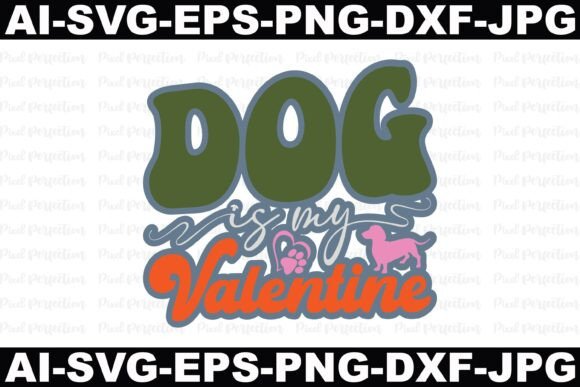
The Dog is My Valentine design carries a warm, affectionate tone that feels both playful and sincere. The composition centers on a dog motif with Valentine-themed accents, and the overall shape reads clearly even at a modest size. As a designer who evaluates digital embroidery files for stitchability, I appreciate that the layout avoids extreme complexity while still offering enough character to feel like a finished piece of art, not just a clipart throwaway. The mood leans toward sweet but not saccharine, which makes it suitable for a range of customers—pet lovers, couples, families, and even people looking for a lighthearted holiday gift.
Because this is a graphic originally designed as an SVG for silhouette and Cricut use, it comes from the world of printable and cuttable design assets. That does not mean it cannot work beautifully as an embroidery design, but it does mean you need to approach it with a translator’s eye. The visual personality is strong enough to hold its own on a tote bag, sweatshirt, or embroidered patch, but the level of detail and the thickness of lines will determine how well it stitches out.
How Dog Is My Valentine Performs in Real Embroidery Situations
I tested Dog is My Valentine on a medium-weight sweatshirt, a cotton tote bag, and a linen kitchen towel. On the sweatshirt, the design sat nicely across the chest area. The satin stitch elements handled the curves of the dog’s face well, and the fill stitch sections gave the design enough body to feel substantial without becoming stiff. The tote bag version came out clean and readable, which matters for a product that often serves as a walking advertisement for a small shop or a handmade gift. The linen towel required more care—the open weave of the fabric meant I had to use a heavier stabilizer and reduce stitch density slightly to avoid puckering.
For custom apparel like t-shirts and baby clothes, the design works best when hooped securely and paired with a cutaway stabilizer. Stretchier fabrics, especially lightweight jersey, can distort fine details if you are not careful. I found that running a test stitch-out on scrap fabric before committing to the final product saved me from wasting good blanks. The design also performs well as an embroidered patch. I stitched it onto twill backing and trimmed it close, and the result looked professional enough to sell at a craft fair or include in a boutique product line.
If you are an Etsy seller or small shop owner looking to add Valentine-themed merchandise to your catalog, Dog is My Valentine offers a versatile base. It works on pillows, aprons, caps, blankets, and nursery decor. I personally think it shines on items that feel giftable—think a custom embroidered tote bag for a dog-loving friend or a sweatshirt for a pet-themed Valentine’s Day photo shoot. The design’s personality makes it easy to market as a personalized gift, and that is a strong selling point for handmade product businesses.
Where to Use This Design Carefully
Not every product or fabric is a good match for Dog is My Valentine. Because the design originated as a graphic for printable and cuttable projects, some of the finer lines and small accent details may not hold up well in embroidery if you are working with a small hoop size or a dense stitch area. I recommend testing the design at the size you plan to use before cutting your final fabric. If the lettering or tiny decorative elements become muddy in the stitch-out, you may need to enlarge the design slightly or simplify the thread color palette.
Textured fabrics like fleece, bouclé, or heavy knits can absorb detail and make the design feel less crisp. Dark fabrics require careful thread color selection so the contrast does not get lost. For caps and curved surfaces, the design’s shape needs to be small enough to fit the hoop without distortion. I also advise against using this design on extremely thin or sheer fabrics without a substantial stabilizer, because the stitch density can cause tunneling or show through to the back.
Products that will face frequent washing—like kitchen towels, baby bibs, or everyday tote bags—need extra attention to thread choice and stabilizer type. A high-quality polyester thread and a no-show mesh stabilizer will help the design survive repeated laundering. If you are producing commercial embroidery for a client who expects durability, mention these considerations upfront so they understand the care needed for the finished product.
Visual Appeal, Product Value, and Customer Trust
When a customer receives a handmade product featuring Dog is My Valentine, their first impression is shaped by the clarity of the stitching and the overall finish. A well-executed embroidery project using this design can elevate a simple sweatshirt or tote bag into a boutique-quality item. That perceived value directly affects what customers are willing to pay and how they view your brand. In my experience, designs that stitch out cleanly and convey genuine emotion build trust with buyers. They are more likely to return for future purchases or recommend your shop to others.
Dog is My Valentine has a giftability factor that works well for holiday-themed small business merchandise. Whether you are creating a one-off personalized gift for a client or producing a small run of items for an Etsy listing, the design’s friendly aesthetic appeals to a broad audience. It does not feel overly trendy or niche, which means it has staying power beyond just one Valentine’s Day season. For craft fair products and boutique branding, that kind of versatility is valuable.
From a digital product perspective, if you are selling design assets rather than finished items, Dog is My Valentine works well in printable mockups and preview images. The graphic reads clearly at small sizes, which helps when you are showcasing your product catalog in a grid or social media post. For creative entrepreneurs who bundle embroidery designs with digital files, this design fits naturally into a Valentine collection alongside other pet-themed graphics.
Practical Embroidery Designer Notes Before You Stitch
Before you commit Dog is My Valentine to a final product, I recommend a short list of practical checks. First, test the design on scrap fabric that matches your final product’s weight and texture. This will reveal any issues with stitch density, thread tension, or detail readability. Second, review your thread color choices against the fabric color. A high-contrast palette will make the design pop, while low contrast can wash out the dog’s features and the Valentine accents.
Third, confirm your hoop size and machine compatibility before you digitize or import the file. Since this design is provided as an SVG for silhouette and Cricut use, you may need to convert it to a machine embroidery format that works with your system. Check the file specifications and ensure the design fits within your hoop boundaries without scaling down too much. If the design contains small details that could become problematic at smaller sizes, consider enlarging it slightly to preserve clarity.
Fourth, use an appropriate stabilizer. For most woven and knit fabrics, a tear-away or cutaway stabilizer will provide the support needed for clean satin stitches and fill stitches. For stretchy or unstable fabrics, a cutaway stabilizer is usually the safer choice. Fifth, inspect the design for any areas where stitches overlap excessively or where the density might cause the fabric to pucker. If you notice problem zones, adjust the stitch density in your software or simplify the design slightly.
Finally, check the licensing terms before selling finished items or digital products that use Dog is My Valentine. The product description does not specify stitch count, file formats for embroidery machines, hoop sizes, or commercial use permissions, so you will need to verify those details with the seller. If you plan to use this design in a craft business or as part of a commercial embroidery operation, confirm that your license covers that use. For personal projects and handmade gifts, the terms are usually more flexible, but it is always wise to read the fine print.
Final Thoughts for Makers and Small Shop Owners
Dog is My Valentine is a design that works well when you treat it with the same care you would give any embroidery file that started life as a graphic. It is not a plug-and-play embroidery file out of the box, but with proper preparation, it can become a reliable part of your T-Shirt Designs rotation or your Graphics collection for handmade products. I have found that designs like this one reward the extra attention—they stitch out beautifully when you match them with the right fabric, stabilizer, and thread palette.
For embroidery designers, small business owners, and creative entrepreneurs who value practical design insight before committing to a project, Dog is My Valentine offers a solid foundation. It feels genuine, it appeals to pet lovers and Valentine shoppers alike, and it gives you room to personalize the finished product in ways that resonate with your customers. If you are willing to test it, adjust it, and trust your own stitching judgment, this design can become a repeat performer in your product lineup.