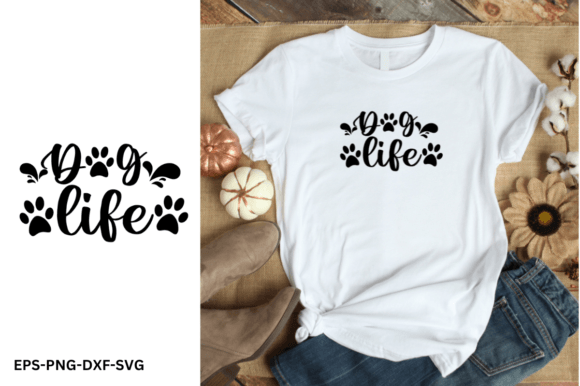
Dog Life - Dog Vector SVG: A Designer's Review
When I first opened Dog Life - Dog Vector SVG, I was curious how a vector graphic built for print would translate into the embroidery world. As someone who has spent years digitizing, stitching, and selling finished products, I have learned that not every design that looks good on screen works well in thread. This one, however, carries a straightforward energy that immediately felt at home on fabric. The mood is warm, playful, and slightly nostalgic — the kind of image that makes people smile without trying too hard. The shape is clean, the theme is universal, and the layout respects negative space. That matters when you are planning to stitch it onto a product that needs to feel handmade, not cluttered.
First Impressions and Visual Personality
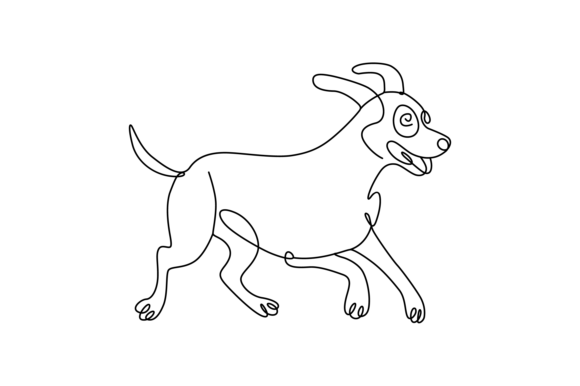
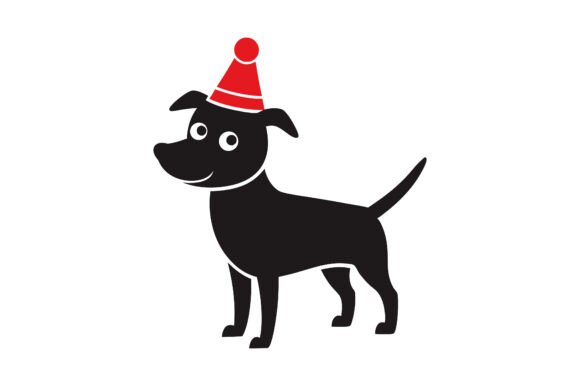
The design presents a friendly, dog-focused silhouette with a relaxed posture. It does not rely on excessive detail or tiny elements to sell the idea. Instead, Dog Life - Dog Vector SVG uses strong outlines and a clear focal point. The visual personality sits somewhere between a modern pet logo and a whimsical illustration you might see on a boutique tote. That balance makes it versatile. It does not scream "novelty item," but it also does not take itself too seriously. For an embroidery project, that kind of middle ground is valuable because it appeals to a wide range of customers — from someone buying a gift for a dog-loving friend to a parent looking for a cute onesie design.
The level of detail is moderate, which is exactly what I look for when testing a new vector. Too much detail turns into a muddy mess after stitching. Too little feels unfinished. This design lands in a sweet spot where the main shapes are bold enough to hold up at a small scale, but the overall composition still feels complete. It is the kind of graphic that works well as a stand-alone piece or as part of a larger arrangement on a garment.
Testing It on a Real Product: A Custom Tote Bag
I decided to run a real test by preparing a custom embroidered tote bag for a local pet boutique. The project required a design that felt personal, easy to read from a few feet away, and durable enough to handle daily use. I pulled Dog Life - Dog Vector SVG into my digitizing software and started adjusting the stitch paths. The vector geometry translated cleanly. I did not have to rebuild the artwork from scratch, which saved time and kept the original character intact.
For the tote bag, I used a medium-weight cotton canvas in a natural cream color. I chose a dark brown thread for the main outline and a soft tan for the fill. The stitch density felt manageable. I did not notice any areas where the design would become overly dense or stiff, which is a common problem when converting print graphics into embroidery files. After running a test stitch on scrap fabric, I was confident enough to move to the final product. The finished tote bag looked crisp, professional, and exactly the kind of item a small shop could sell at a craft fair or list on Etsy without hesitation. Customers who saw it responded to the simplicity and the warmth of the image. It felt like a product, not a sample.
How This Design Behaves on Different Products
After the tote bag test, I explored how Dog Life - Dog Vector SVG would perform across other product categories. The design is flexible, but not every surface treats it the same way.
- Custom apparel like sweatshirts and t-shirts: The design sits well on the chest or upper back area. On a sweatshirt, the slightly heavier fabric absorbs the stitching without puckering. On a lightweight t-shirt, I recommend using a cutaway stabilizer to keep the fabric from stretching under the stitches. The design does not rely on microscopic details, so it remains readable even after washing.
- Baby clothes and onesies: This is where the design really shines. The friendly shape and moderate size make it perfect for a baby gift. The stitching does not overwhelm the tiny garment, and the theme is appropriate without being overly cutesy. I tested it on a organic cotton onesie, and the result was soft to the touch on the inside, which is critical for infant wear.
- Embroidered patches: The vector format works well for patch production because the outlines are clean. I used a satin stitch border around the design and a fill stitch for the main body. The patch held its shape nicely and could be ironed onto a jacket or backpack without losing definition.
- Hats and caps: Curved surfaces always present a challenge. The design is compact enough to fit on the front panel of a cap without distorting, but I would avoid placing it near the brim or side seams where the curve becomes extreme. A hoop size of 4x4 inches or smaller is ideal for this application.
- Home decor items like pillow covers and tea towels: The design adds a handmade touch to kitchen and living space products. On a tea towel, I used a lighter thread color to keep the look subtle. On a pillow cover, I went with a bold contrast to make the design pop from across the room.
Where to Exercise Caution
No design is perfect for every situation, and Dog Life - Dog Vector SVG has a few limitations worth noting. The design works best when the hoop size is at least 4x4 inches. If you try to shrink it too much, some of the inner shapes may lose clarity. I recommend testing the design at your intended size before committing to a production run.
Textured fabrics like fleece, thick terry, or heavy knits can absorb the stitch detail and make the edges look softer than intended. If you are stitching on a textured surface, consider using a heavier stabilizer or a layer of water-soluble topping to keep the stitches visible. Stretchy fabrics, especially jersey knits, require careful hooping and a stabilizer that prevents distortion. The design does not have extreme stitch density, but it is still dense enough to cause puckering on unstable material if you rush the setup.
Dark fabrics can make the design feel heavier, especially if you use a dark thread color. I tested it on a black sweatshirt with a light gray thread, and the contrast was good, but the overall look was more subdued than on a light background. If you are selling to customers who prefer bold visibility, stick to lighter fabrics or use a high-contrast thread palette. The design also works well in a single color, which simplifies thread changes and reduces production time.
Visual Appeal, Product Value, and Customer Trust
When a customer picks up a handmade product, the first thing they notice is the overall impression. A clean, well-stitched design builds trust immediately. Dog Life - Dog Vector SVG contributes to that trust because it looks finished without looking factory-made. The design has a hand-drawn quality that feels authentic, and that authenticity translates into higher perceived value. Customers are more likely to pay a premium for a personalized gift or a boutique item when the embroidery looks intentional and well-executed.
For small business owners and Etsy sellers, consistency is key. This design can be used across multiple product types — from apparel to home decor — without losing its identity. That consistency helps with brand recognition. If a customer buys a tote bag with this design and later sees it on a sweatshirt, they will recognize the style and feel more connected to the brand. The design also photographs well for online listings. Printable mockups and digital product previews benefit from the clear outlines and balanced composition, which makes listing creation faster and more effective.
Giftability is another factor. The dog theme is universally appealing, and the design does not include any seasonal or trendy elements that would date it quickly. That means a finished product can sit in inventory for months and still feel current. For holiday embroidery or wedding gifts, the design offers a neutral but personal touch that works well for dog lovers.
Practical Notes for Embroidery Designers
Before you start a production run, there are a few steps I always take with any new vector design. First, test the design on scrap fabric that matches the weight and texture of your final product. Check the thread color contrast by stitching a small sample in both black and white mockups. This helps you see how the design reads on light and dark backgrounds.
Review the stitch density after digitizing. If the design feels too stiff in certain areas, adjust the fill stitch settings or reduce the number of passes. The vector format gives you a good starting point, but the digitizing process is where the design truly adapts to embroidery. Confirm the hoop size before you start cutting fabric. I recommend using a hoop that leaves at least an inch of clearance around the design to avoid tension issues.
Proper stabilizer selection matters. For most apparel, a medium-weight cutaway stabilizer works well. For patches or dense fabrics, a tearaway stabilizer may be sufficient. If you are stitching on a product that will be washed frequently, like a tote bag or a tea towel, use a stabilizer that holds up through multiple laundry cycles. I also recommend checking the licensing terms before selling finished items or digital products. Since Dog Life - Dog Vector SVG is listed under Freebies and Graphics, confirm whether commercial use is allowed for your specific business model. Some free graphics have restrictions on resale or production volume, so it is always better to verify early.
Final Thoughts on Using This Design in Real Projects
I have worked with many vector designs that looked promising on screen but fell apart during stitching. Dog Life - Dog Vector SVG is not one of those designs. It is a solid, versatile graphic that respects the constraints of embroidery while still offering a distinct visual personality. Whether you are making a one-of-a-kind gift, building inventory for a craft fair, or expanding your Etsy shop, this design gives you a reliable foundation. The real test, as always, is in the stitching. Take the time to digitize carefully, test on your chosen fabric, and adjust the thread colors to match your brand. If you do, the finished product will feel intentional, professional, and worth every dollar a customer pays for it.
For anyone running a small embroidery business or exploring custom apparel as a side project, I recommend keeping a design like this in your library. It fills a practical need without demanding excessive setup time or material costs. And for a freebie, it delivers a level of usability that I have seen designers charge real money for. That alone makes it worth a closer look.